
Podcast: Play in new window | Download
Subscribe: Apple Podcasts | RSS
Writer’s Voice: compelling conversations with authors who challenge, inspire, and inform.
Can we separate art from the artist?
Art isn’t morally neutral.
But does that mean we should stop engaging with art that troubles us?
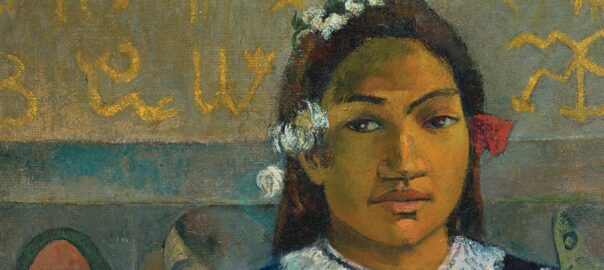
This week on Writer’s Voice, I talk with philosopher Daisy Dixon about her book, Depraved: The Story of Dangerous Art. From Gauguin’s Tahitian paintings to feminist hip-hop, Dixon examines how art can reinforce oppression, challenge prejudice and transform our understanding of the world.
We discuss separating art from the artist, the difference between moral wrongdoing and social transgression, the limits of empathy and why censorship isn’t the answer to harmful art.
“The aesthetic and ethical realm are intimately bound together. And we need to be mindful of that as we carry on going into the future, wherever it might take us.” — Daisy Dixon
Then, with Thanksgiving upon us, Native American scholar and musician Marge Bruchac shares the Abenaki Story of Corn, a story about generosity, reciprocity and giving thanks.
Follow us on Bluesky @writersvoice.bsky.social and subscribe to our Substack. Or find us on Instagram @WritersVoicePodcast.
Love good coffee? Want to support Writer’s Voice? Head on over to Larry’s Coffee using this LINK, and you’ll earn $30 for the show!
You Might Also Like: Brad Gooch on The Radiant Life of Keith Haring, The True Story of Thanksgiving
Tags:
Daisy Dixon, Depraved The Story of Dangerous Art, art and morality, philosophy of art, dangerous art, art censorship, cancel culture, ethics of art, Marge Bruchac, Abenaki Story of Corn, Indigenous storytelling, Thanksgiving, Writer’s Voice, Francesca Rheannon
Daisy Dixon, Depraved: The Story of Dangerous Art
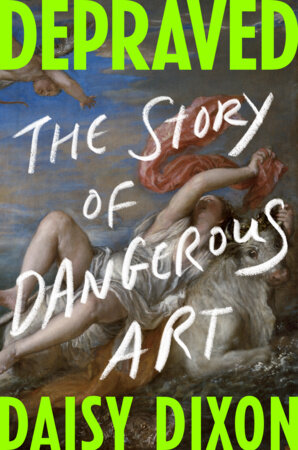
Can great art also be morally corrupt?
Philosopher Daisy Dixon argues that understanding a work of art sometimes requires confronting the disturbing circumstances of its creation.
In Depraved: The Story of Dangerous Art, she examines the ethical questions raised by artworks across centuries and cultures. Gauguin’s paintings of his child brides provide a starting point for our conversation about whether we can, or should, separate an artist’s moral character from their artistic achievements.
We explore the important distinction between depicting wrongdoing and endorsing it, as well as the difference between genuine obscenity and art that simply challenges social conventions.
Dixon also examines the double bind facing Black women in hip-hop, who must navigate a history of racialized sexual objectification while asserting their own sexual agency.
And we discuss the controversy surrounding Dana Schutz’s painting of Emmett Till. What are the ethical responsibilities of artists who depict the suffering of communities they don’t belong to? And does condemning their efforts risk shutting down opportunities for cross-cultural understanding?
Dixon makes a compelling case for artistic counterspeech rather than censorship, urging us to engage critically with troubling artworks instead of erasing them.
Marge Bruchac, The Abenaki Story of Corn
Native American scholar and musician Marge Bruchac shares a traditional story from the Abenaki of New England about the origins of corn.
“They give thanks to the earth and sky for helping that plant to grow. They give thanks to that woman for coming to them. They give thanks to all of the grandmothers for looking after that woman like she was their own kin.” — Marge Bruchac
During a winter of hunger, a mysterious young woman arrives among the people. Although she doesn’t speak their language, they welcome her into their community, and four grandmothers care for her throughout the winter.
When spring arrives, she offers them a gift in gratitude for their kindness. From her sacrifice comes the corn that will feed the people.
It’s a story about hospitality to strangers, the responsibilities we have to one another and our interdependence with the natural world.
Bruchac concludes with the traditional Green Corn Song, which honors the four grandmothers who cared for the young woman.
An anthropologist, historian and musician, Bruchac is also the author of 1621: A New Look at Thanksgiving.