
Podcast: Play in new window | Download
Subscribe: Apple Podcasts | RSS
Writer’s Voice: compelling conversations with authors who challenge, inspire, and inform.
Who should science serve?
On Writer’s Voice, I talk with Annalee Newitz about A Wall Is Also a Road,
a science fiction novel about an alien graduate student who comes to Earth looking for evidence of life. A relationship with a woman in Pompeii forces them to ask what a researcher owes the people they study. We talk about care and consent, who funds science, and who benefits from it.
“And I think that’s increasingly something that people are asking in academia is how do we bring care into education?” — Annalee Newitz
Then we turn to Automatic Noodle, a novella about four robots who open a noodle shop in a newly independent California. What can an alien scientist and a crew of noodle makers teach us about belonging?
Follow us on Bluesky @writersvoice.bsky.social and subscribe to our Substack. Or find us on Instagram @WritersVoicePodcast.
Love good coffee? Want to support Writer’s Voice? Head on over to Larry’s Coffee using this LINK, and you’ll earn $30 for the show!
You might also like: Annalee Newitz, THE TERRAFORMERS, Annalee Newitz, SCATTER, ADAPT AND REMEMBER
Tags: Annalee Newitz interview, A Wall Is Also a Road, Automatic Noodle, Writer’s Voice podcast, Francesca Rheannon, speculative fiction, science fiction, research ethics, robot rights,
Annalee Newitz on science, care, and community
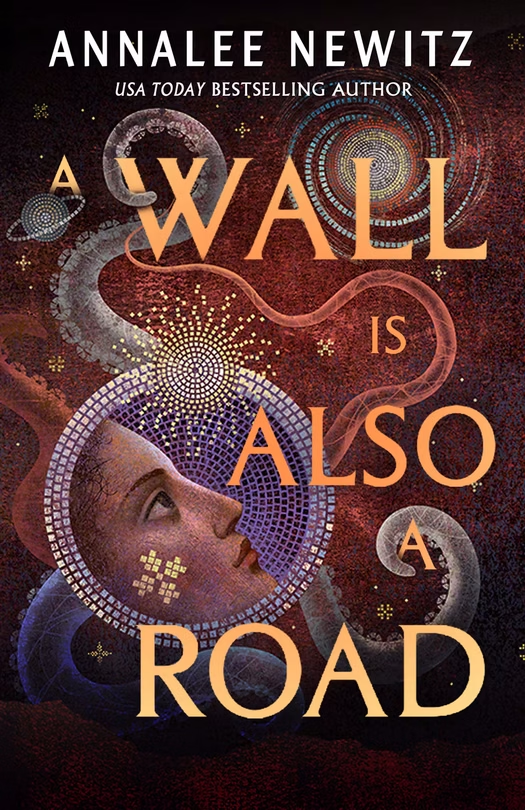
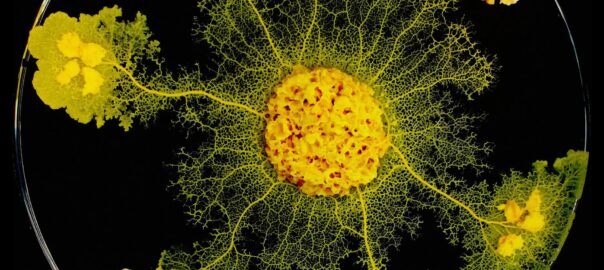
What happens when the people you study become the people you love? In Annalee Newitz’s novel A Wall Is Also a Road, an ambitious slime mold heads to Earth to investigate signs of life.
In Pompeii, before the eruption of Vesuvius, the researcher grows close to a woman whose life they can change in ways she can’t see.
I ask Newitz where they draw the line between care and control, and whether caring about the people you study can make you a better scientist.
We also talk about what happens when universities lose public support and military or corporate priorities shape the questions scientists get to ask. Newitz brings that discussion home with AI data centers and the communities that have to live with them.
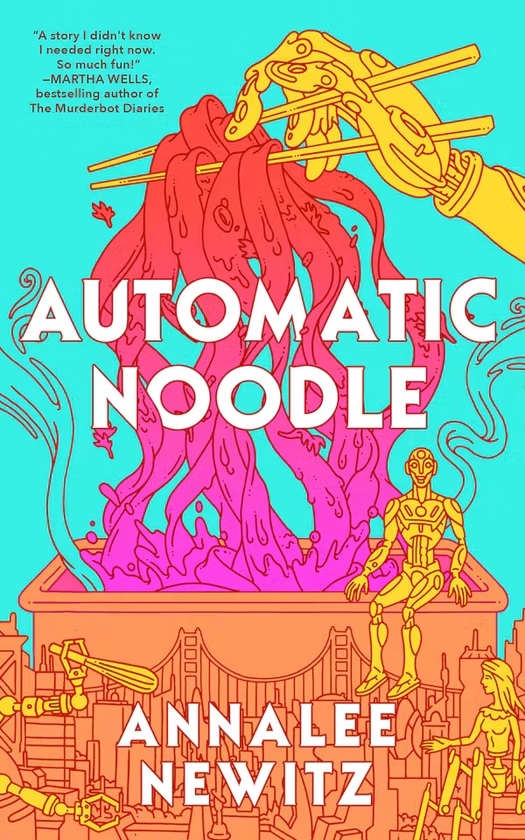
Then, in Automatic Noodle, four robots with limited rights take over a ghost kitchen and start making biang biang noodles.
Hands can feel when the dough is ready to stretch, and takes pleasure in seeing people enjoy a meal they can’t eat themselves.
That small exchange gets at something I loved in both books. When people have the freedom to do good work and share it, they can begin to build the kind of community they want to live in.