
Podcast: Play in new window | Download
Subscribe: Apple Podcasts | RSS
Writer’s Voice: compelling conversations with authors who challenge, inspire, and inform.
In this episode of Writer’s Voice, two powerful voices explore the climate crisis from complementary perspectives.
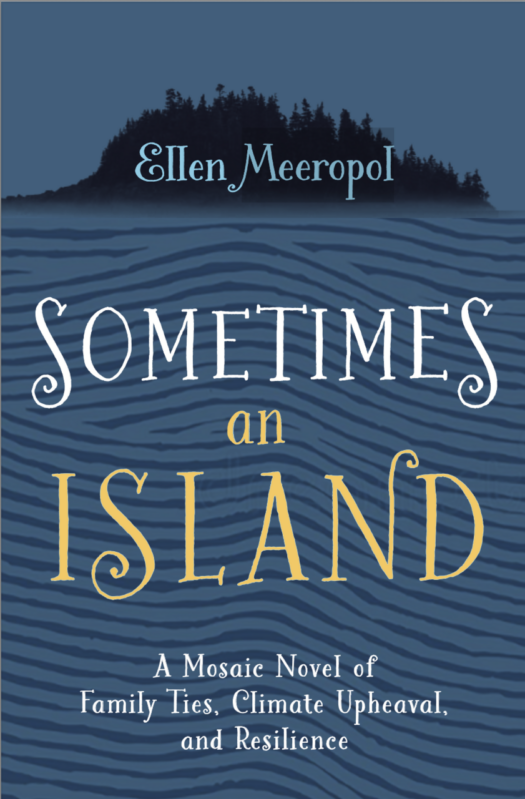
Novelist Ellen Meeropol imagines communities navigating climate disruption in Sometimes an Island.
“The challenge is enormous. How do you dramatize doom?… You have to find a balance between the science and the story… the story can inspire action through empathy with the characters.”
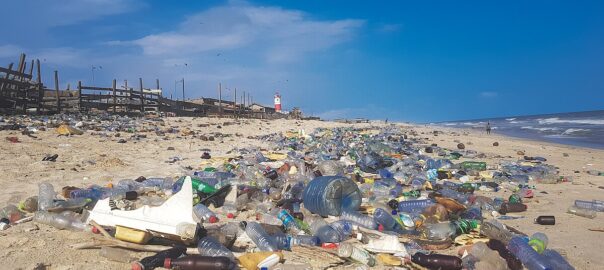
Then, environmental leader Judith Enck exposes the systemic forces behind plastic pollution—and what we can do about it—in The Problem with Plastic.
“This is a climate change issue. This is an environmental justice issue. This is an ocean issue… mostly, this is a health issue, because none of us should have microplastics in our bodies. But we all do.”
Together, these conversations reveal both the human stories and structural realities shaping our environmental future.
Follow us on Bluesky @writersvoice.bsky.social and subscribe to our Substack. Or find us on Instagram @WritersVoicePodcast.
Tags: climate fiction, climate change novels, plastic pollution, microplastics health effects, Ellen Meeropol, Judith Enck, Beyond Plastics, literature podcast, interviews with writers, book author interviews, interviews with authors, women authors interviews,
You Might Also Like: Ellen Meeropol, HER SISTER’S TATTOO, Jennie Romer, CAN I RECYCLE THIS?
Segment One: Ellen Meeropol — Sometimes an Island
What does it take to imagine survival in a world shaped by climate disruption? Ellen Meeropol’s climate novel unfolds as a “mosaic” of interconnected lives shaped by migration, memory, and environmental upheaval.
Set against the backdrop of a worsening climate emergency, the book follows three communities—from an island in Maine to an off-the-grid cooperative—seeking new ways to live sustainably and collectively.
Meeropol explores the parallels between past migrations—like Jewish refugees fleeing pogroms—and present-day climate displacement. At the heart of the novel is a belief in storytelling as a force for empathy and transformation.
In our conversation, Meeropol explores:
Key Themes
- Climate migration and historical memory
- Community resilience and cooperation
- The role of storytelling in shaping action
- Multigenerational activism, especially elder leadership
- Balancing realism and hope in climate fiction
Listen to our other conversations with Ellen Meeropol.
Segment Two: Judith Enck — The Problem with Plastic
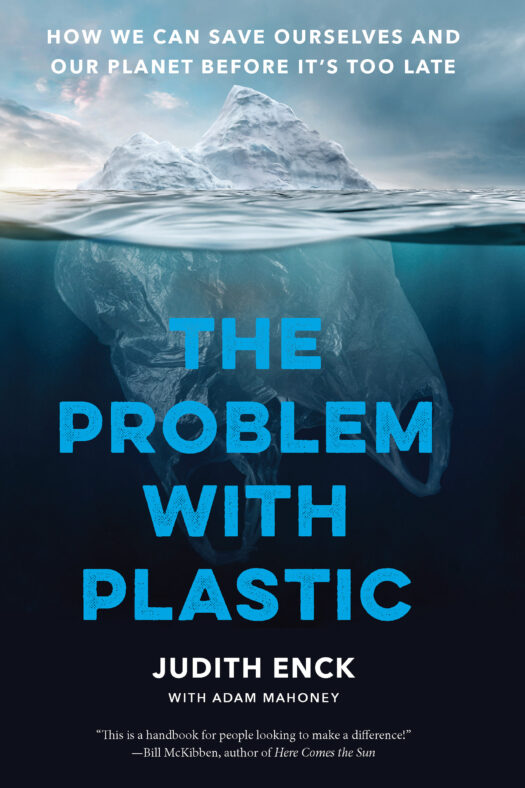
Judith Enck argues that the global plastic crisis is not an accident—but a strategic shift by the fossil fuel industry. As demand for fossil fuels declines in energy and transportation, companies have turned to plastics as a new growth market.
Enck breaks down the myths of plastic recycling, the health impacts of plastic pollution, and the policy solutions needed to reduce plastic production and waste. She emphasizes local and state-level action as key leverage points for change.
Judith Enck was the Regional Administrator of Region 2 of the U.S. Environmental Protection Agency (EPA). Enck is the founder of Beyond Plastics, a national organization that works on the problem of plastic pollution,
Key Themes:
- Plastic as a fossil fuel “Plan B”
- The myth of widespread plastic recycling
- Health impacts of microplastics and toxic chemicals
- Environmental justice and “Cancer Alley”
- Policy solutions: reduction, reuse, refill, rethink