
Podcast: Play in new window | Download
Subscribe: Apple Podcasts | RSS
Writer’s Voice: compelling conversations with authors who challenge, inspire, and inform.
What if the energy transition is arriving faster than anyone imagined? And what if paying attention to the smallest things can change how we live?
This Earth Day, Writer’s Voice revisits our interview with Bill McKibben about Here Comes the Sun, a bracing and hopeful argument that cheap, abundant solar power could reshape geopolitics, weaken authoritarianism, and help us meet the climate emergency.
“About five years ago, we crossed some invisible line where it became cheaper to generate power from the sun and the wind than from burning coal and gas and oil.”
Then, Anne Fadiman turns our attention from planetary systems to intimate acts of noticing. In her acclaimed essay collection Frog, she finds wonder and moral inquiry in a neglected pet frog, the burden of literary inheritance, pronouns, grammar, and other seemingly modest subjects that open into large human questions — along with a good dose of humor.
“I’m interested in writing about things that other people haven’t noticed.”
Follow us on Bluesky @writersvoice.bsky.social and subscribe to our Substack. Or find us on Instagram @WritersVoicePodcast.
Love good coffee? Want to support Writer’s Voice? Head on over to Larry’s Coffee using this LINK, and you’ll earn $30 for the show!
You Might Also Like: Bill McKibben, Here Comes The Sun (full interview), Margaret Renkl, The Comfort of Crows
Tags: Bill McKibben, Anne Fadiman, Here Comes the Sun, Frog essays, solar power, climate solutions, renewable energy, they/them pronounce, literary essays, Writer’s Voice podcast, climate politics, energy transition, literature podcast, interviews with writers, book author interviews, author interviews,
Segment One: Bill McKibben, HERE COMES THE SUN
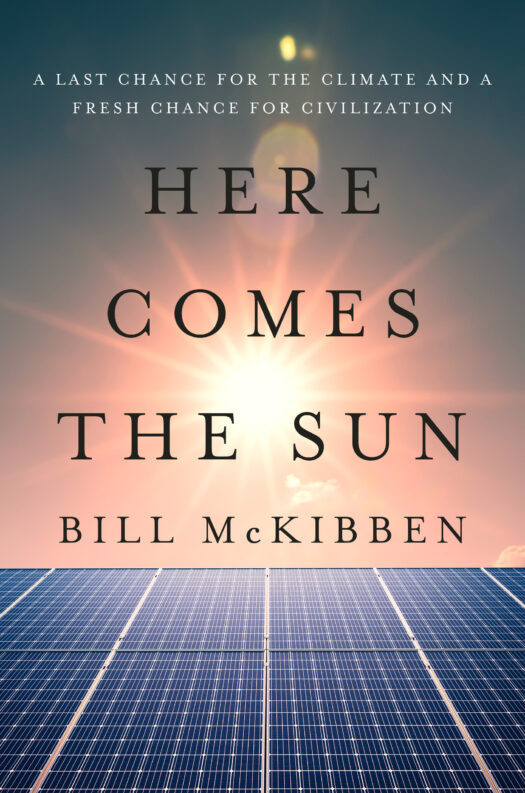
Bill McKibben can finally see a path forward, and it’s lit by the sun.
Last November, I sat down with Bill McKibben to talk about his new book, Here Comes the Sun, and what he told me then feels even more urgent right now. With global oil supplies disrupted by the Iran conflict, the case for solar has never been stronger.
And even though Donald Trump has dismantled federal incentives for renewable energy, states are stepping up, communities are moving fast, and the economics of solar have already crossed a point of no return.
McKibben explains that for the first time in the history of the climate fight, the technology to fix the problem is also the cheapest option on the market. Solar and wind have crossed the threshold where they cost less than fossil fuels, and the world is producing a third more energy from the sun this year than last.
We talk about Pakistan’s solar revolution driven by ordinary people with YouTube tutorials, California running on 100% renewables for stretches of the day, and why McKibben thinks the barriers to change are no longer technical or financial. They’re political and bureaucratic. And he’s working to fix that, too.
Segment Two: Anne Fadiman, FROG
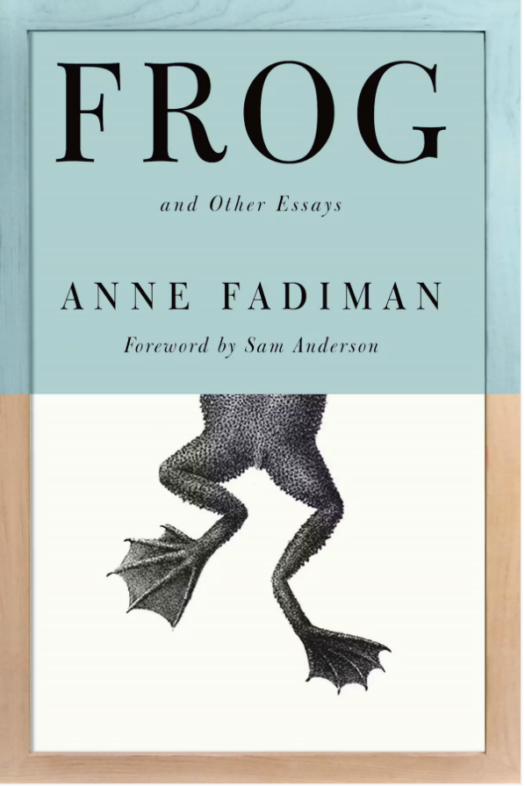
Anne Fadiman can turn a household frog into a meditation on love, guilt, and what we owe the creatures we barely notice.
Anne Fadiman’s new essay collection, Frog, is exactly the kind of book I love most: deeply intelligent, full of wit, and somehow able to make you care passionately about things you never knew you cared about.
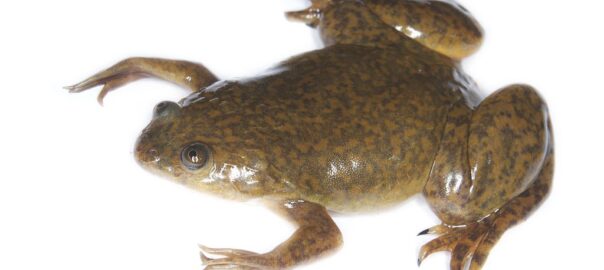
The title essay follows Bunkie, her family’s African Clawed Frog, a creature she now realizes she didn’t appreciate nearly enough while he was alive.
But don’t let the humble subject fool you. This book is a collection of essays that move from a pet frog, to the grammar wars over the singular ‘they’, to what it means to be the literary child of a famous literary parent, and to the poetic beauty of lists.
Sam Anderson of the New York Times Magazine, who wrote the foreword, says Fadiman has a gift for finding the universe hidden inside the ordinary. I think that’s exactly right. And I think you’re going to love this conversation.