

Podcast: Play in new window | Download
Subscribe: Apple Podcasts | RSS
Writer’s Voice: compelling conversations with authors who challenge, inspire, and inform.

In this episode of Writer’s Voice, journalist Nell Bernstein examines the decades-long movement to end youth incarceration in the United States, drawing on her book In Our Future We Are Free. Bernstein traces how incarcerated young people, their parents, lawyers, and organizers pierced the invisibility of youth prisons and achieved a historic 75% reduction in youth incarceration nationwide.
“Youth prisons are inherently abusive by design.” — Nell Bernstein
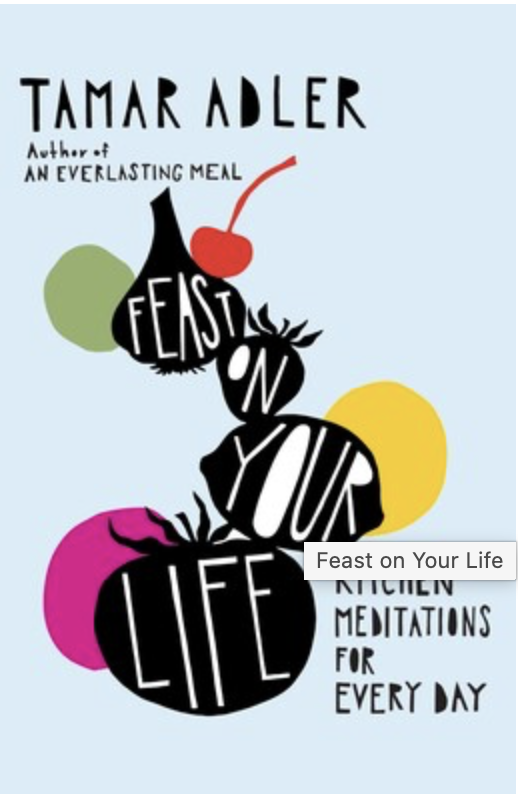
In the second segment, chef and writer Tamar Adler discusses Feast On Your Life, a deeply personal calendar-based book that explores how cooking, leftovers, sobriety, ritual, and attention can transform the ordinary into something sustaining—even during periods of despair.
“The bean broth wouldn’t let me be.” — Tamar Adler
Follow us on Bluesky @writersvoice.bsky.social and subscribe to our Substack. Or find us on Instagram @WritersVoicePodcast.
Key Words: youth incarceration, prison abolition, juvenile justice reform, Nell Bernstein, In Our Future We Are Free, Tamar Adler, Feast On Your Life, sustainability, leftovers,
You Might Also Like: Nell Bernstein, BURNING DOWN THE HOUSE, Katherine Harvey, The Bare Bones Broth Cookbook
Read the Transcript on Substack
Segment One: Nell Bernstein
Bernstein reflects on the evolution of her reporting from Burning Down the House to In Our Future We Are Free, documenting how youth prisons—institutions she describes as abusive by design—have been challenged and dismantled through organizing led by incarcerated young people and their families.
She explains why youth incarceration is not rehabilitative but criminogenic, how racialized fear narratives like the “super predator” myth enabled abuse, and why abolition—not cosmetic reform—is necessary. Bernstein also draws connections to present-day immigration detention and reflects on what this movement teaches us about sustained social change under authoritarian conditions.
Segment Two: Tamar Adler
Segment Two Summary: Tamar Adler
Adler describes writing Feast On Your Life during a period of depression, using daily attention to food and cooking as a way to heal. Organized month-by-month, the book reflects on sobriety, leftovers, seasonal abundance, restraint, imagination, ritual, and gratitude.
She discusses cooking “as if people mattered,” the ethical and ecological connections embedded in everyday meals, and how small rituals—packing lunches, saving bean broth, sharing fruit—create meaning and resilience. Drawing on Ursula K. Le Guin’s carrier bag theory, Adler frames her work as a quiet, gathering-oriented alternative to spectacle-driven narratives.
Key Topics
- Youth prison abolition and organizing
- Racialized incarceration and the “super predator” myth
- Solitary confinement and institutional invisibility
- Trauma, criminogenic systems, and community care
- Cooking as attention, connection, and ethics
- Ritual, seasonality, and everyday meaning
- Sobriety, restraint, and renewal